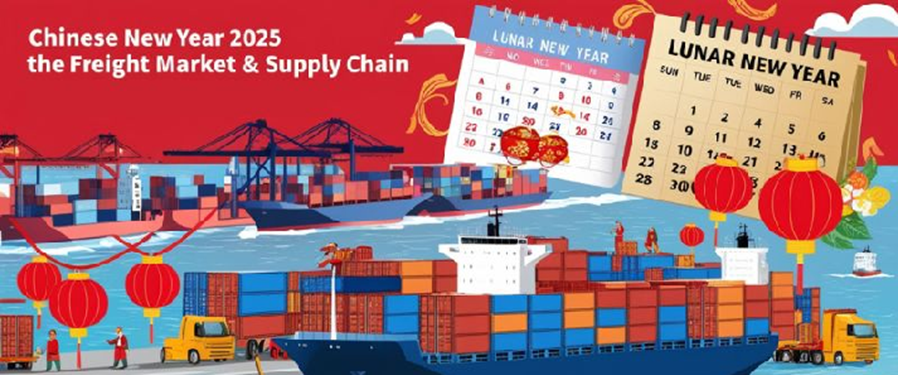
How long does the Lunar New Year holiday 2025 last?
China observes an 8-day public holiday for Lunar New Year, from New Year’s Day to the 8th day of the lunar calendar year. During this period, most offices, banks, factories, shops, and non-essential services close for a week. In contrast, hotels and large retail outlets remain open and often experience a surge in business. Schools in China take a longer break of about four weeks, and many migrant workers leave their jobs in factories or construction to travel home and celebrate with family.
In Taiwan, the Lunar New Year holiday in 2025 spans 6 days, from January 28 to February 2. Residents of Hong Kong and Macau will observe a 3-day public holiday from January 29 to January 31.
Other Southeast Asian countries, including Singapore, Malaysia, Indonesia, Thailand, and the Philippines, typically observe a 1- to 3-day public holiday for Lunar New Year.
The Influence of Chinese New Year 2025 on Freight Market and Supply Chain
The Chinese New Year holiday has a significant impact on the freight market and supply chains worldwide, and 2025 will be no exception. With businesses and factories in China shutting down for up to two weeks or longer in some cases, there are considerable implications for production, shipping schedules, and inventory levels. Here are the primary ways the Chinese New Year 2025 holiday (starting on January 29) will influence global logistics and supply chains:
1. Early Production Rush
In anticipation of the holiday, Chinese manufacturers often push to fulfil outstanding orders, leading to a production surge in the weeks prior. This uptick in activity creates a sharp increase in demand for freight services, with many companies rushing to get their goods shipped before the shutdown.
Freight rates typically rise as this demand intensifies, especially for shipping and air cargo, as companies compete for limited capacity. Businesses planning shipments should secure bookings well in advance to avoid delays and high costs.
2. Factory Closures and Labor Shortages
Most factories and suppliers in China close for one to two weeks, with some extending up to four weeks due to labour shortages, as workers travel long distances to their hometowns. Production halts during this time, leading to reduced output and potential inventory shortages.
The impact of these closures can ripple through supply chains for several months, especially for businesses that rely heavily on “just-in-time” inventory practices or have limited stock on hand.
3. Port and Shipping Congestion Leads to Shipping Delays
Port congestion is common just before and after the holiday. Ports experience a rush before the shutdown as businesses race to ship goods, and a backlog builds as operations slow during the holiday period.
After the holiday, ports face additional delays as factories gradually resume production, leading to a bottleneck effect in outbound shipments. Companies relying on imports from China may face delays as shipping lanes become clogged, impacting downstream suppliers and consumers.
4. Inventory Management Challenges
Companies that rely on Chinese suppliers need to plan their inventory carefully. Those with inadequate inventory levels before the holiday may experience supply disruptions, impacting their ability to meet customer demand.
Many businesses place bulk orders months in advance or arrange alternative suppliers to avoid shortages. Careful inventory planning helps mitigate the risks of prolonged lead times and possible stockouts during this period.
5. Freight Rate Volatility
Freight rates tend to be highly volatile around Chinese New Year due to the surge in demand and limited capacity. In 2025, rates are expected to rise significantly in the weeks leading up to the holiday, with some decline afterward as demand stabilizes.
Air freight is also affected, as companies turn to quicker transport options to minimize delays, driving up prices. Businesses should budget for potential rate fluctuations and build flexibility into their freight planning to manage costs effectively.
6. Impact on E-commerce and Retail Sectors
For e-commerce and retail companies, disruptions in the supply chain can lead to delays in product availability. Many retailers may increase orders ahead of the holiday to ensure they have enough stock to meet consumer demand, especially as sales often surge following the Lunar New Year.
Delays in order fulfilment can lead to missed sales opportunities, backorders, and potential customer dissatisfaction. Proactive planning and communication with customers are essential to minimize the impact on consumer-facing businesses.
7. Adjustments by Non-Asian Markets
Many Western companies have adjusted to the annual impact of Chinese New Year by incorporating the holiday into their supply chain calendars. This may involve ramping up orders in late December and early January or diversifying suppliers to reduce dependence on a single region.
Some businesses may consider shifting a portion of production or sourcing to other Southeast Asian countries where Lunar New Year holidays are shorter, though the pre- and post-holiday congestion in Chinese ports can still affect regional shipping routes.
8. Potential Long-Term Implications
With labour shortages during the holiday period, some Chinese manufacturers may adopt more automation to mitigate the impact of worker absences in future years. Similarly, businesses may increase their supply chain resilience by exploring “nearshoring” or establishing supplier relationships closer to their consumer markets to reduce reliance on Chinese manufacturing.
How Long Does Lunar New Year Impact Shipping?
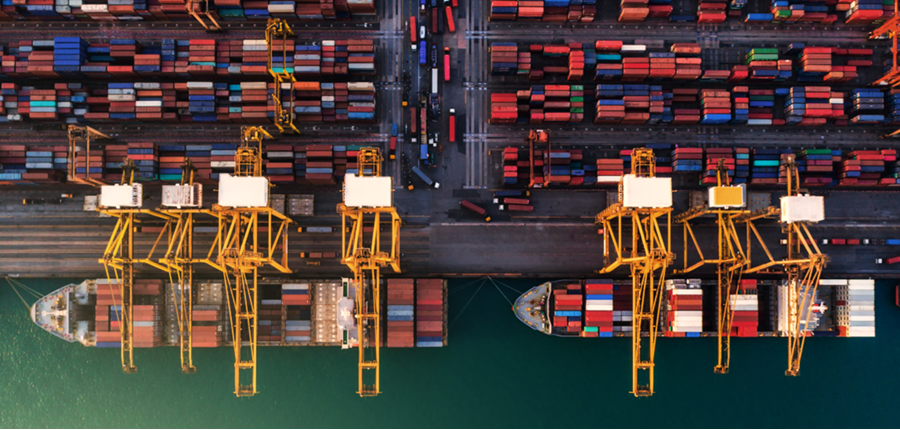
The impact of Lunar New Year on shipping can last from four to eight weeks, depending on the industry, region, and specific supply chain dynamics. Here’s a breakdown of how this period typically unfolds:
Phase #1: Pre-Holiday Rush (2-4 Weeks Before)
In the weeks leading up to Lunar New Year, businesses rush to complete orders before factories close. This surge in demand for freight services can cause bottlenecks at ports, increased lead times, and higher freight rates. The pre-holiday rush usually begins about two to four weeks before the holiday, as companies try to secure transport slots
.Phase #2: Holiday Closure (1-2 Weeks)
During the official holiday period, which can last one to two weeks, most factories in China shut down or operate with minimal staff, leading to a near-complete halt in production. Ports, warehouses, and transportation services may also reduce operations, contributing to delays in shipments. Many workers travel back to their hometowns, extending the period of limited labour availability.
Phase #3: Post-Holiday Recovery (2-4 Weeks After)
After Lunar New Year, it typically takes two to four weeks for production and shipping activities to return to normal. Workers gradually return, and factories resume operations in phases, creating a lag in production. Ports and logistics providers face a backlog of shipments that accumulated over the holiday, leading to further delays as they work to clear this congestion.
Phase #4: Extended Supply Chain Effects
In total, the ripple effect of Lunar New Year on shipping can impact supply chains for up to eight weeks from the start of the pre-holiday rush to the end of the post-holiday recovery. Businesses reliant on Chinese manufacturing or Southeast Asian supply chains may experience disruptions through February and, in some cases, into March.

Tips to prevent shipping delays during Lunar New Year 2025
To help prevent shipping delays during Lunar New Year 2025, here are key tips to ensure smoother operations and minimize disruptions. Planning ahead and optimizing logistics can make a significant difference:
✔️ Make a Plan in Advance: Start preparing for Lunar New Year months in advance. Outline a clear logistics timeline that factors in production, shipping deadlines, and potential delays during the holiday period.
✔️ Boost Inventory: Increase inventory levels well before the holiday to cover the expected demand and mitigate risks of stockouts. Having additional stock can help maintain steady operations through the holiday disruptions.
✔️ Talk to Your Source: Maintain open communication with suppliers about their holiday schedules and production capacities. Confirm when they’ll stop and resume operations, and coordinate shipment schedules accordingly.
✔️ Consider Alternative Production Sites: If possible, source from alternative production sites in countries that are not affected by Lunar New Year. This can help keep some production steady while Chinese suppliers are on holiday.
✔️ Use Quality Control: Implement stringent quality control checks before shipments to avoid delays related to returns or corrections. Ensuring that products meet quality standards before they’re shipped out can prevent setbacks in the supply chain.
✔️ Collaborate with Multiple Logistics Partners: Partner with several logistics providers to diversify your shipping options. Relying on multiple partners can give you more flexibility in case one provider experiences delays or capacity shortages.
✔️ Utilize Multiple Shipping Options: Use a mix of transportation modes, such as sea, air, or rail, to meet varying delivery deadlines. Air freight, while more costly, can be a valuable option for urgent shipments during this high-demand period.
✔️ Choose Less Congested Ports: To avoid delays at major ports that may become highly congested, consider using smaller, less congested ports when possible. This can reduce time spent in queues and improve shipment flow.
✔️ Use Different Types of Containers: Be flexible with container types, as certain container types may face higher demand and limited availability. If feasible, explore using alternative container sizes to improve your chances of securing space.
✔️ Maintain a ‘Just-in-Case’ Budget: Set aside a contingency budget to cover unexpected costs such as higher freight rates or expedited shipping. This “just-in-case” fund can help you handle last-minute logistics needs without compromising your budget.
By implementing these proactive strategies, you can minimize disruptions and better manage shipping during Lunar New Year 2025, helping keep your supply chain running smoothly through this critical period.